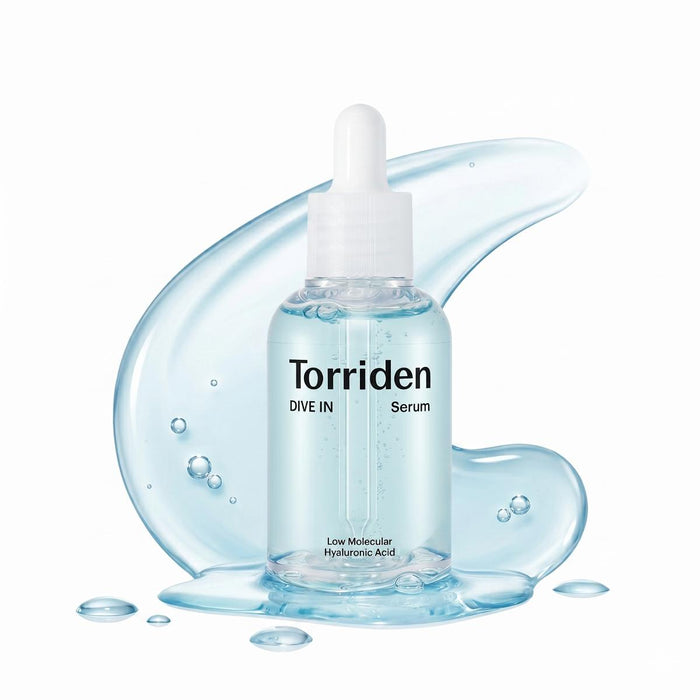
Skin feeling tight, looking dull, or making your makeup cling to every little patch? It may be asking for hydration—not another exfoliating acid. Enter skin flooding: a very dramatic name for a pretty sensible skincare habit.
Here is how it works, where Korean skincare fits in, and how to try it without turning your bathroom counter into a 14-step commitment.
What is skin flooding?
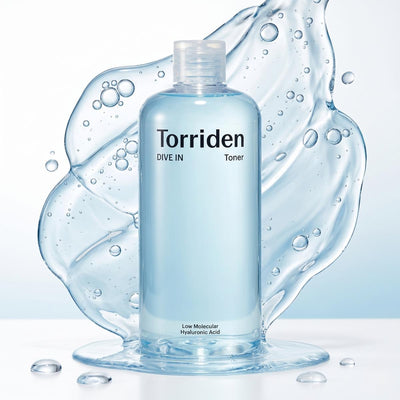
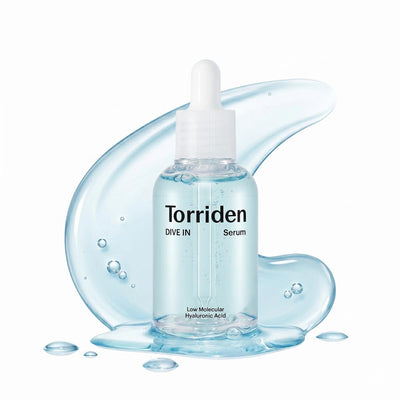
Skin flooding means layering lightweight hydrating products onto slightly damp skin, then finishing with moisturizer. A typical routine uses a gentle cleanser, an optional hydrating toner or essence, a humectant serum, and a moisturizer.
The goal is to increase water in the outermost skin layer and help keep it there. You are not literally flooding the deeper layers of your face, and you do not need several different serums to participate.
How it works: attract, soften, seal
Your outer skin layer—the stratum corneum—helps limit water loss. Moisturizers support it through ingredients with different jobs. DermNet explains these three main categories:
- Humectants, such as glycerin and hyaluronic acid, attract and bind water.
- Emollients soften and smooth rough-feeling skin. Squalane is a familiar example.
- Occlusives, such as petrolatum and dimethicone, help slow water evaporation from the surface.
Think of it as giving your skin a drink and then putting the lid on. Many good moisturizers already combine these functions, so a separate serum is optional.
That evaporation has a clinical name: transepidermal water loss, or TEWL. Increasing hydration and reducing TEWL are related goals, but they are different measurements. A product can improve one without significantly changing the other.
What dermatologists recommend
The American Academy of Dermatology recommends moisturizing while skin is still damp. In its moisturizer guide, board-certified dermatologist Jason A. Clark, MD, FAAD, explains that this helps trap existing water. He favors creams or ointments for dry skin; lighter textures may suit oilier skin. Rebecca Kazin, MD, FAAD, highlights ceramides and hyaluronic acid and cautions that fragrance can irritate dry skin. Read the AAD guidance.
The takeaway: the foundation of skin flooding overlaps with established moisturizing advice. The trendy name is newer than the principle.
What does the clinical research actually show?
A 2024 double-blind randomized trial in Archives of Dermatological Research studied 36 adults aged 60–80 with dry skin. Researchers applied low molecular weight hyaluronic acid lotion, high molecular weight hyaluronic acid lotion, and a vehicle lotion to separate leg sites for four weeks.
The low molecular weight formula improved measured hydration more than the other two. However, the groups did not differ significantly in TEWL or clinical dryness scores.
Why that matters: this supports the hydrating potential of a particular HA formulation. It does not prove that seven layers beat one, that every HA serum performs identically, or that a facial “skin flooding” routine repairs the barrier. The study tested older adults’ legs—not a viral multi-product facial routine. Ingredient evidence and proof of a whole routine are different things.
The esthetician perspective: technique matters
Esthetician Renée Rouleau recommends applying serum or moisturizer while an alcohol-free toner is still damp, then following lighter products with moisturizer. Her practical point is timing: you do not need to let every hydrating layer dry completely before moving on. See her moisturizer application tips in Byrdie.
Our practical suggestion: start with one familiar hydrator, use a small amount, and judge the routine by how your skin feels afterward. Comfortable and supple is the goal. Sticky, stinging, or buried under product is your cue to simplify.
The Korean skincare connection
Skin flooding shares a philosophy with Korean hydration layering: gentle cleansing, watery toners or essences, and moisturizer. It is not a standardized Korean medical treatment, and Korean routines vary widely.
Cleveland Clinic dermatologist Alok Vij, MD, emphasizes gentleness, hydration, and sun protection when discussing Korean skincare. He also cautions against introducing many products at once, which makes reactions harder to trace. Read his explanation.
You may also have heard of the 7-skin method: repeatedly applying a hydrating toner. Soko Glam’s education site explains that seven is not a scientifically established optimal number, and recommends adjusting layers to your skin and finishing with moisturizer. Explore its layering guide.
The useful lesson is thoughtful layering. Your skin does not get extra credit for completing all seven rounds.
How to skin flood: a simple routine
- Cleanse gently. Remove sunscreen and makeup without scrubbing. Double cleansing is optional when needed for removal.
- Leave skin slightly damp. Gently blot away drips. You want a little surface moisture, not a soaking-wet face.
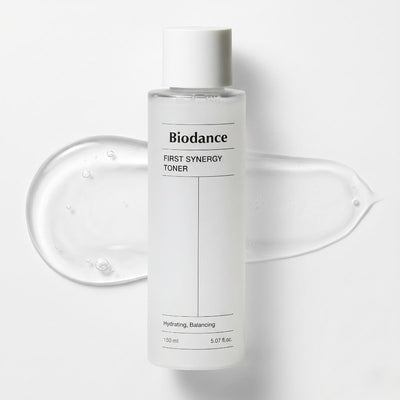
- Add a hydrating toner or essence, if you like. Choose a gentle formula rather than an exfoliating acid toner. This step is optional.
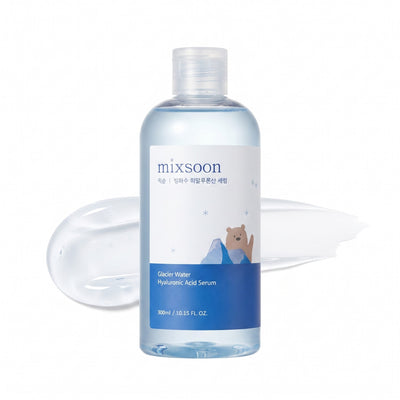
- Apply one hydrating serum. Look for glycerin or hyaluronic acid. Follow the product’s directions; more pumps do not guarantee better hydration.
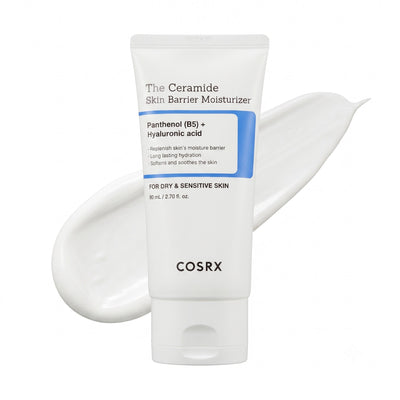
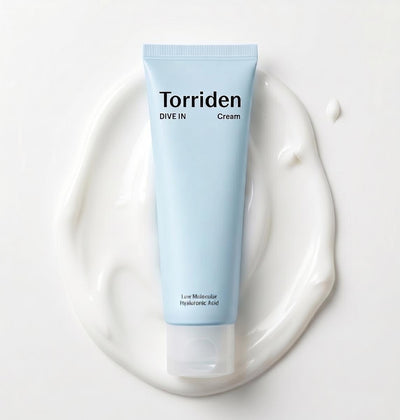
- Finish with moisturizer. Use a texture your skin tolerates. Do not assume a watery serum can replace this step.
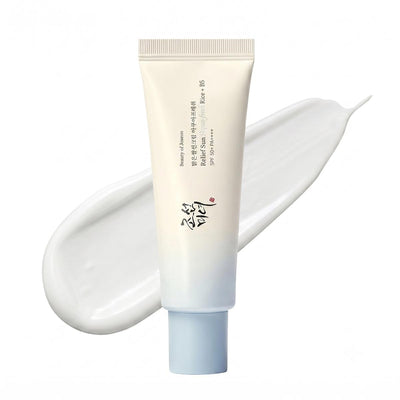
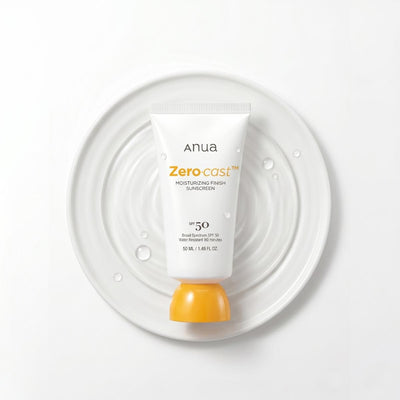
- In the morning, apply sunscreen. Use broad-spectrum SPF 30 or higher as the final skincare step, allowing the underlying products to settle first.
The short version: gentle cleanse → one hydrating layer → moisturizer → morning SPF. Start there before adding extras.
Choose your version
- Dry or seasonally tight skin: try a richer moisturizer after your hydrator.
- Oily or combination skin: keep layers light and adjust richer cream to drier areas. You can feel oily and still want hydration.
- Acne-prone skin: favor products labeled noncomedogenic and introduce one at a time. A label cannot guarantee that a product will suit every person.
- Sensitive skin: start with the fewest products possible. Patch test new additions; “Korean,” “natural,” and “soothing” do not guarantee tolerance.
Using tretinoin? Damp-skin advice has an exception
Do not automatically apply tretinoin to damp skin because you are skin flooding. Tretinoin cream labeling commonly instructs users to wait 20–30 minutes after washing until the skin is fully dry to minimize irritation. Follow your own prescription and clinician’s instructions, which may vary by formulation. See an example of the medication labeling.
A simple option is to use your hydration routine in the morning or on a non-retinoid night. Ask your prescriber how moisturizer should fit around your treatment. Do not change a prescribed schedule just to follow a trend.
Common mistakes that steal the glow
- Layering exfoliants as though they are hydrators. Repeated acid toner or exfoliating-pad applications are not skin flooding.
- Adding everything at once. If irritation starts, you will have a much harder time finding the culprit.
- Expecting permanent wrinkle correction. Hydration can temporarily soften the appearance of dehydration lines; it does not replace treatments for deeper wrinkles.
- Chasing a shiny finish through discomfort. Burning, persistent redness, or itching means stop and reassess.
- Confusing flooding with slugging. Slugging adds a strongly occlusive final layer; flooding focuses on hydrating layers. You do not need to do both.
If dryness becomes painful, cracked, or persistently irritated, see a dermatologist instead of adding more products.
Build a routine your skin actually enjoys
Skin flooding works best as a flexible approach to moisturizing. Choose a gentle hydrator, pair it with a suitable cream, and keep the routine comfortable enough to repeat. A good moisturizer alone may already do everything you need.
Ready to explore? Browse GlowAine skincare, or take our 2-minute skin quiz to get a routine picked for your skin.
Educational content, not individualized medical advice. Expert recommendations above summarize published guidance; the experts have not reviewed this article or endorsed GlowAine products. Sources checked October 18, 2026.